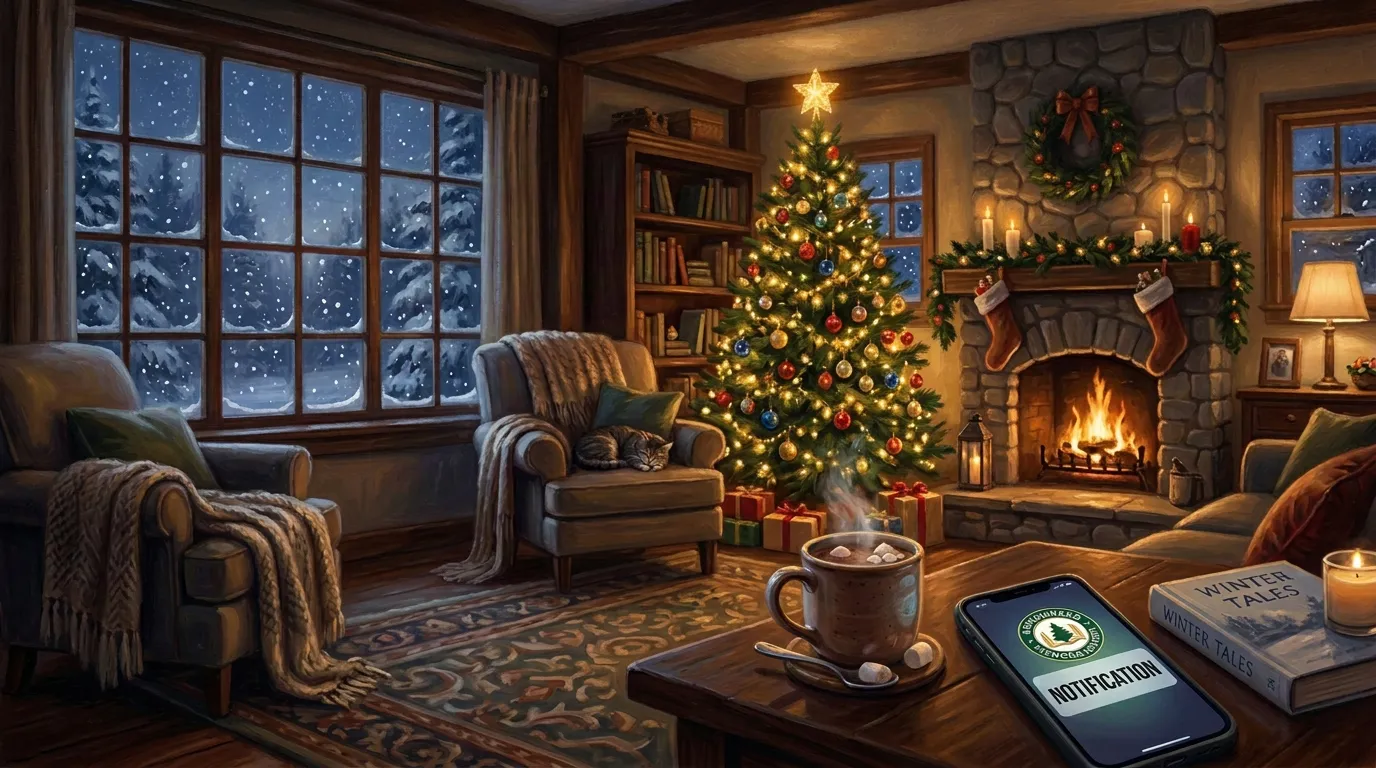
Rumors don't take winter break. Neither do burst pipes, online threats, viral videos or the parent who posts a pointed question on the district's Facebook page at 11 p.m. on December 27th.
Schools close for the holidays, but the community conversation keeps going. In some ways it gets louder. Families are home, scrolling and talking more, and the official voice that usually answers questions within the hour has gone quiet. When something happens over break, the first information people see usually doesn't come from the district. It comes from whoever posted first.
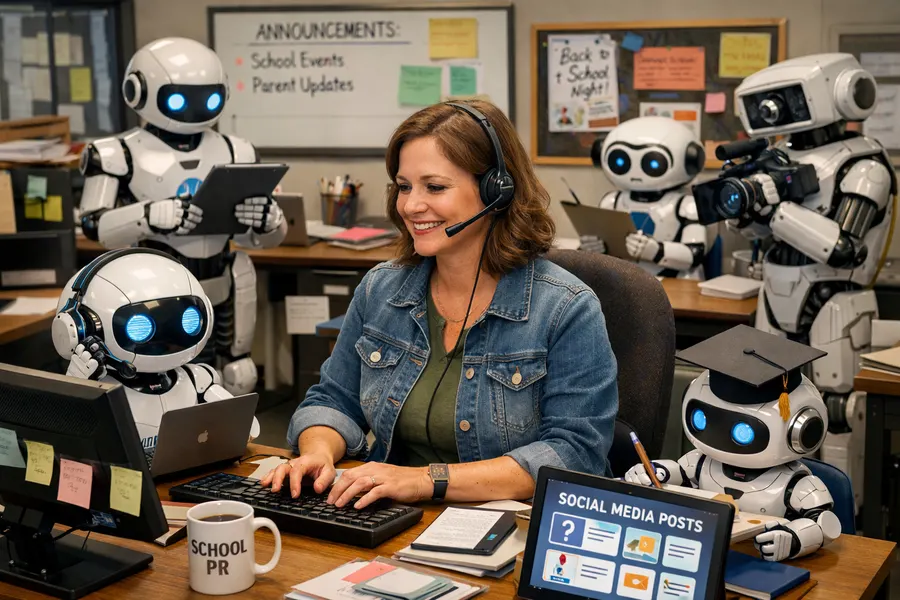
None of this means your communications director should spend the holidays watching notifications. People need real rest, and a team that never unplugs burns out by spring. The goal is simpler and more realistic: someone is watching, everyone knows who, and there's a plan for what happens if something comes up.
That starts with naming names. "We'll keep an eye on it" isn't a plan. A short on-call rotation is, with one person covering each stretch of break, a backup if they can't be reached and a clear line to the superintendent for anything serious. Checking in daily, plus alerts for district mentions, is usually enough. Nobody needs to be glued to a screen. Someone just needs to notice.
The more important conversation is deciding ahead of time what actually requires a response. Most of what shows up over break can wait until January: the complaint about the spring schedule, the question about the boys' basketball tournament. A short list of things that can't wait is worth agreeing on now. That list should include anything involving student or staff safety, damage that could delay reopening, a threat tied to the return to school, the loss of someone in the school community, or misinformation that's spreading fast. If it's on the list, the on-call person makes a call. If it isn't, it waits.
Then there's the practical stuff that trips districts up every year. Can the on-call person actually get into the accounts? If the login and two-factor code live on one phone that's in a carry-on bag at 30,000 feet, the plan falls apart in the first five minutes. Do you have a holding statement ready, something brief that acknowledges what happened and says when more information is coming? A few pre-approved sentences make it much easier to respond in an hour instead of a day.
Check your scheduled posts, too. That cheerful "Happy holidays from our school family!" graphic set to post automatically on the 24th can land very badly if the community woke up to sad news that morning. Whoever is on call should know how to pause it.
Finally, tell families what to expect. A simple post before break saying when offices are closed, where to turn for emergencies and when regular responses will resume sets reasonable expectations and heads off a lot of frustration.
Winter break should be a real break. A little planning now means your team can actually enjoy it, knowing that if something happens, someone will see it, and they'll know exactly what to do.