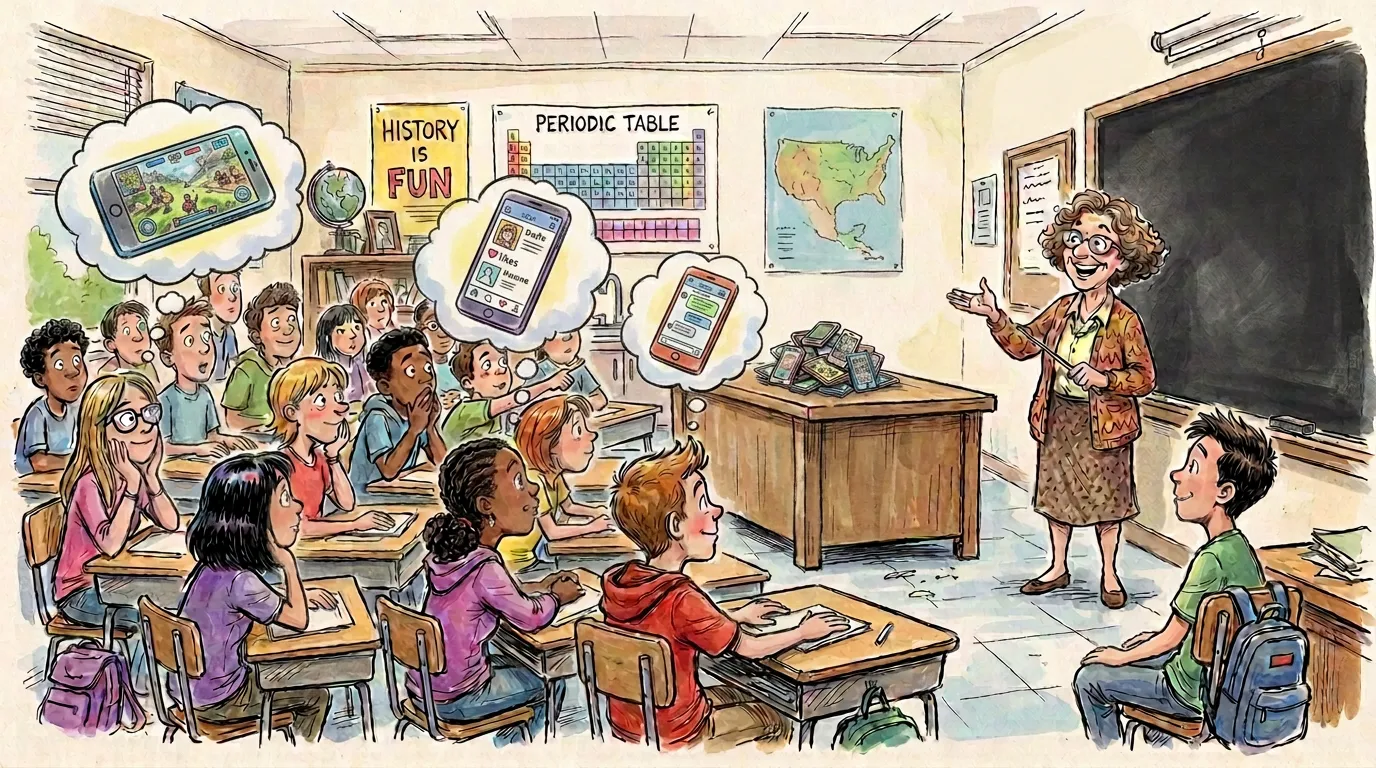
The school year is just getting started, and more and more districts are implementing policies that limit—or completely prohibit—student cell phone use during the school day.
That makes cell phones a perfect excuse to showcase a communications tool we developed called ASTOP.
ASTOP stands for Authenticity, Speed, Transparency, Ownership and Preparation. It was designed to help school leaders put a potential crisis—or even a concern that could become a crisis—to “a stop” before it gets there.
And cell phone policies are a great example.
The research suggests there are plenty of good reasons for schools to restrict phones. RAND, a nonprofit, nonpartisan research group found that two-thirds of schools had bell-to-bell policies during the 2024–25 school year. Among principals whose schools had restrictions, 70% said the policies had a positive impact on school climate, 67% said they reduced inappropriate cell phone use, and 54% reported less cyberbullying originating inside the school.
But here’s where communications comes in.
The same RAND study found that 21% of principals said their policies increased concerns among parents who no longer had a direct line to their children—including during emergencies. Ten percent reported increased anxiety among students over that loss of direct access.
In other words, school leaders shouldn’t have to wait for the first angry parent email to discover what people are worried about.
That’s where ASTOP comes in.
Authenticity: Acknowledge the concern. Don’t dismiss parents who are nervous about being unable to reach their child. Tell them you understand why they might be uncomfortable.
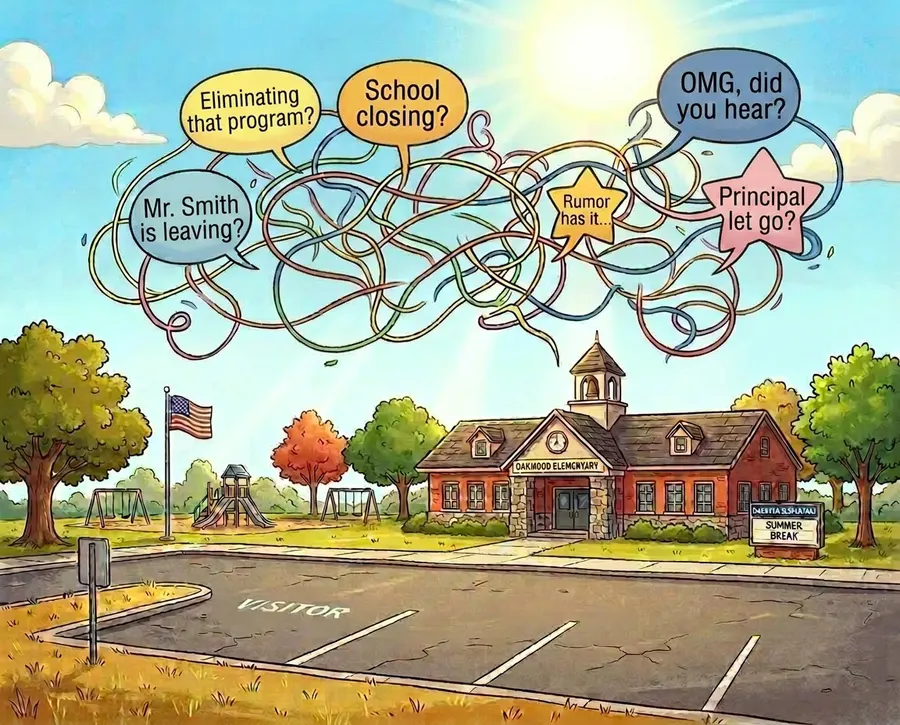
Speed: Get ahead of the conversation. Don’t let a Facebook post or a group text become the first place families learn about the policy—or its exceptions.
Transparency: Explain why the district made the decision. Share the research, the goals and, perhaps most importantly, exactly how parents will communicate with their children when necessary.
Ownership: Don’t hide behind “the state requires it” or “that’s the new policy.” Explain who made the decision, why, and who is responsible for making it work.
And Preparation: Anticipate the questions before they arrive.
What happens during an emergency? What if a student has a medical need? How does a parent reach a child who needs to leave early? What about transportation changes? What happens when a student refuses to comply?
Those aren’t difficult questions to anticipate.
And that’s really the point of ASTOP.
You don’t have to agree with every cell phone policy to understand the communications lesson. In fact, RAND found that students themselves are divided: 60% supported some restrictions during the school day, but only 11% supported a complete bell-to-bell prohibition. Among students who opposed classroom restrictions, 81% said parents should be able to reach them when needed.
A policy doesn’t become a crisis simply because people have concerns about it.
Sometimes, the difference between a concern and a crisis is what you do with those concerns.
That’s why, as this school year gets underway, don’t just ask, “What could go wrong?”
Ask: “What are people going to worry about—and have we communicated about it yet?”
That’s how you put a potential crisis to ASTOP.