Telling Giving-Season Stories with Dignity
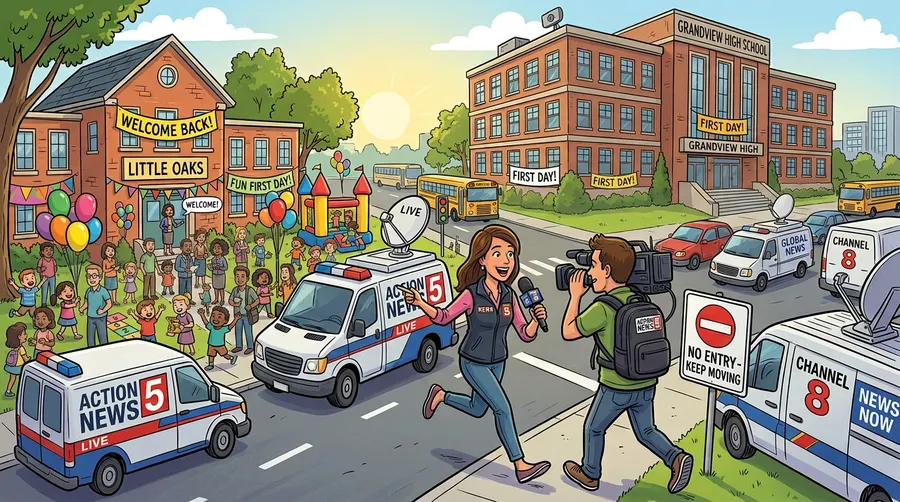
In an earlier article, we looked at how to get your holiday story covered by the local news. This one covers the other half: the stories you tell on your own channels, and the people who appear in them.
Every giving story has two sides, the people giving and the people receiving. Too often, only one side agreed to be in it.
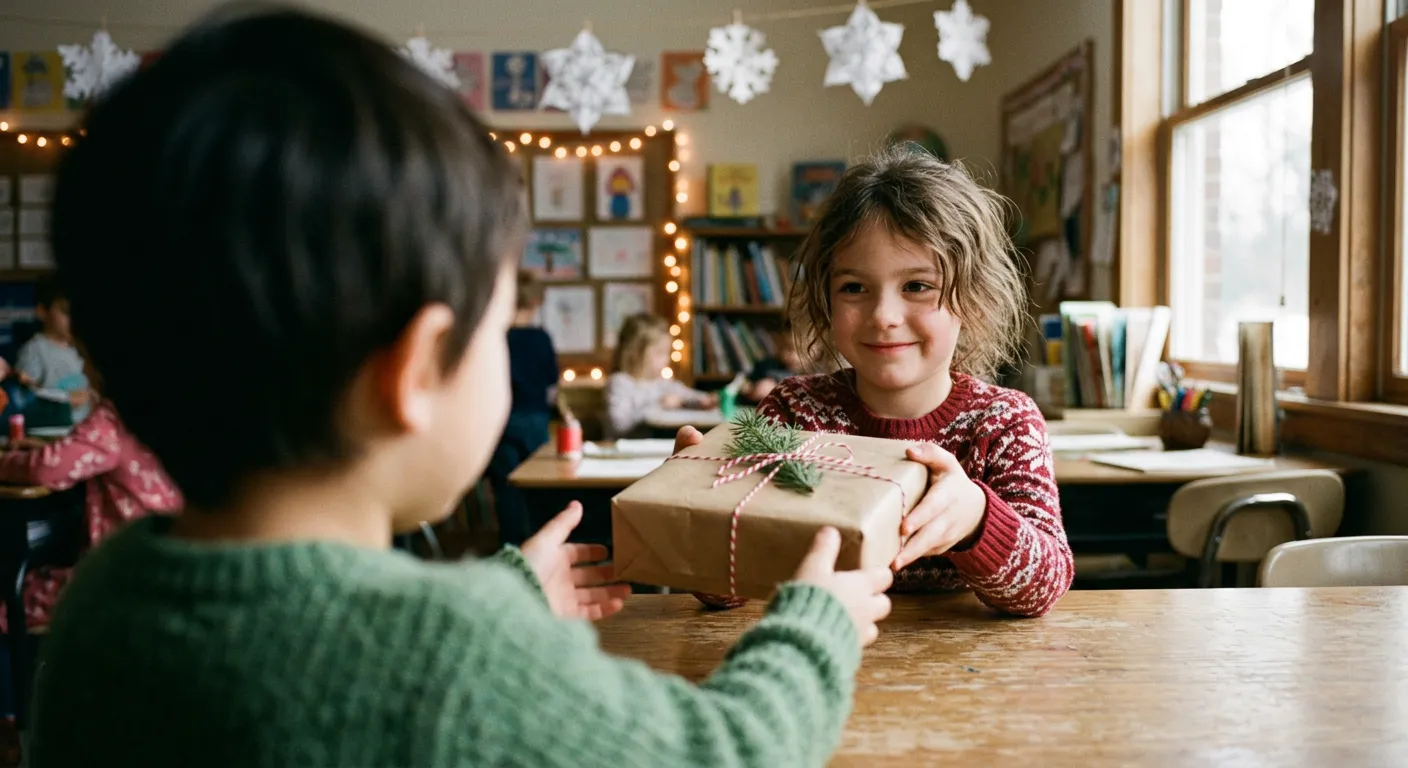
You've probably seen the post. A smiling group of staff stands behind a table stacked with food boxes, and a caption announces that the school "adopted 40 needy families" this year. Or there's a photo of a young student holding a new coat, tag still on, at the front of the classroom. These posts come from a genuinely good place. But in a small community, everyone knows whose family picked up the box and whose kid got the coat. A child can go back to school after break and find out that half the class saw the picture.
The fix isn't to stop telling these stories. Giving season is one of the best chances all year to show what your schools stand for. The fix is to change who the story is about.
Make the givers the heroes. Show the high schoolers sorting cans at 7 a.m., the kindergartners who emptied their piggy banks, the bus drivers who loaded the vans on their day off. Show hands, boxes and hard work rather than the faces of families on the receiving end. Viewers still feel the warmth of the moment without anyone being singled out.
Watch the language, too. Words like "needy" and "less fortunate" draw a line between "us" and "them" in a community that's supposed to be one school family. "Families in our community," "our neighbors" and "students and families who could use a lift this season" say the same thing without labeling anyone. Totals work better than individuals: "Our students collected 1,200 coats" tells the story without pointing at a single child.
That doesn't mean leaving families out of the story unnecessarily. From my years as a reporter, I can tell you that a family willing to share genuine gratitude is often the heart of the piece, the moment viewers remember long after the segment ends. It just has to be handled with care.
Maybe it's a parent who wants to say thank you, or a student who received help last year and is leading the drive this year. Those can be the most powerful stories you tell, but consent has to be real. A family receiving help may feel they can't say no to the school. Have the request come from someone they trust, like a counselor or social worker, and make clear that their answer has no effect on the help they receive. Let them see what you plan to share before it goes out.
It's also worth applying a simple test before you post: how will this child feel about this photo in five years? The internet doesn't forget, and a picture that seems sweet in December can follow a teenager for a long time.
All of this applies when you pitch the news, too. Trust me, a reporter will almost always want a family on camera, so decide where your line is before you send that email, and stick to it.
The best giving-season stories leave everyone in them better off, including the people who never asked to be in the picture.