Some districts get to start the year with a clean slate. Others don’t. Maybe it was a leadership shakeup that played out in the local news. Maybe it was a safety incident, a budget fight that turned ugly at board meetings, or something that happened over the summer that families are still talking about at the pool and in group chats. Whatever it was, there’s no pretending it didn’t happen, and no first-day welcome letter cheerful enough to make people forget it.
That’s an uncomfortable place to be as the new year approaches, but it’s not a hopeless one. The instinct in these situations is often to go quiet — to let the dust settle, avoid drawing attention, and hope a fresh school year naturally moves people’s focus elsewhere. It’s an understandable impulse, but it usually backfires. Silence doesn’t read as moving on. It reads as avoidance, and families tend to fill that silence with their own conclusions, which are rarely more generous than the truth.
The better path isn’t to relitigate what happened. Families don’t need a district to reopen old wounds in a back-to-school newsletter, and dwelling on it publicly can do more harm than good. What they do need is some quiet acknowledgment that the district knows the year didn’t end well, paired with a clear, forward-looking sense of what’s different now. That might be as simple as a superintendent’s welcome message that says, honestly, that it’s been a hard stretch, and that the team is focused on earning back trust through the work ahead — not through more statements, but through a steady, well-run start to the year.
That’s really where the rebuilding happens: in the ordinary stuff. A first week that runs smoothly. Communication that’s clear and consistent instead of confusing. A teacher who greets a nervous kid warmly, a bus that shows up on time, a question from a parent that gets answered instead of ignored. None of that erases what happened, but trust isn’t rebuilt with one big gesture — it’s rebuilt in dozens of small, reliable moments that give people a reason to believe things are actually different this time.
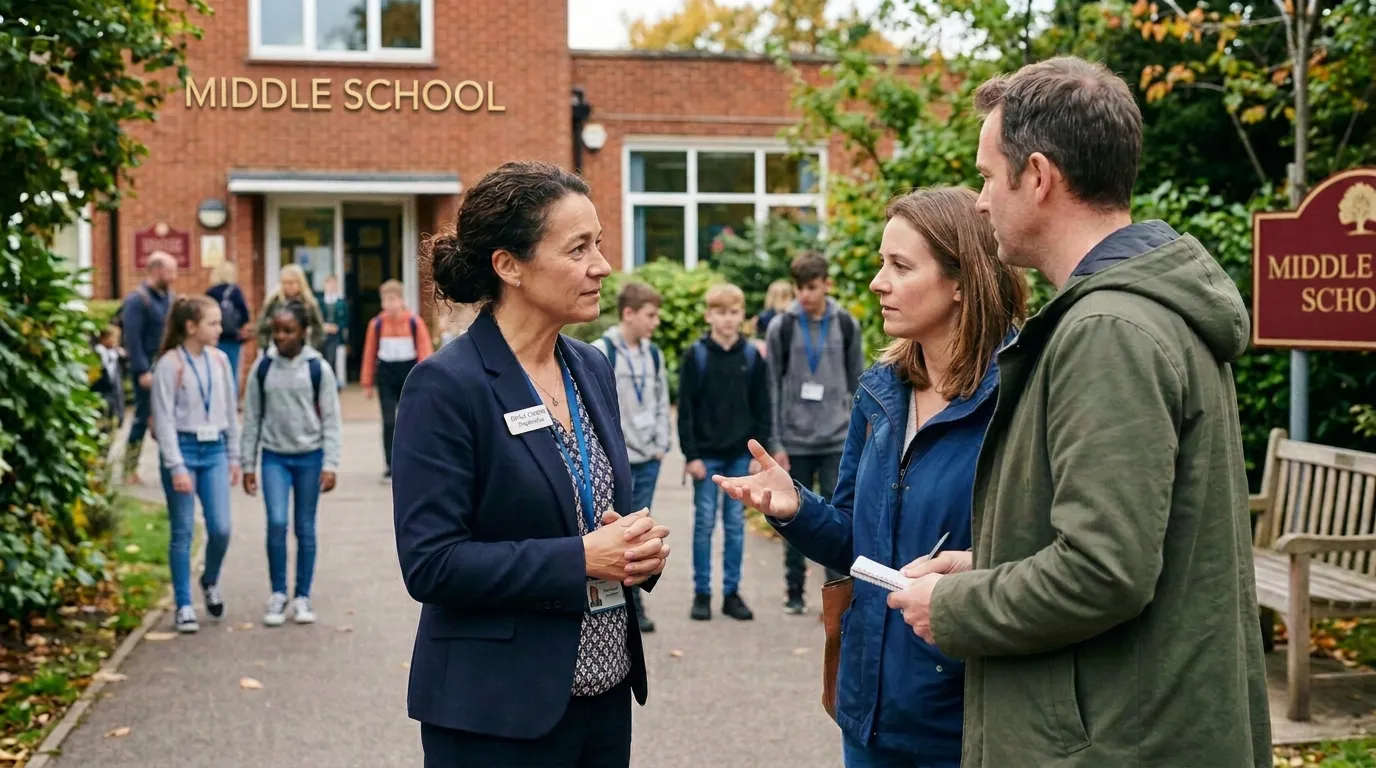
It also helps to be visible in the right way. Not a press conference, necessarily, but a superintendent or principal who shows up at the first-day drop-off, who’s approachable at open house, who’s willing to answer a hard question honestly instead of deflecting it. People forgive a lot when they feel like leadership is present and paying attention, and they lose patience fast with anyone who seems to be hiding.
The goal for a district in this spot isn’t to make people forget. They won’t, and pretending otherwise just erodes credibility further. The goal is to give people a reason to look forward instead of backward — a year that, day by day, starts to feel like evidence that the district is different, steadier, and worth trusting again. That’s a slower process than anyone would like, but it’s also the only one that actually works.