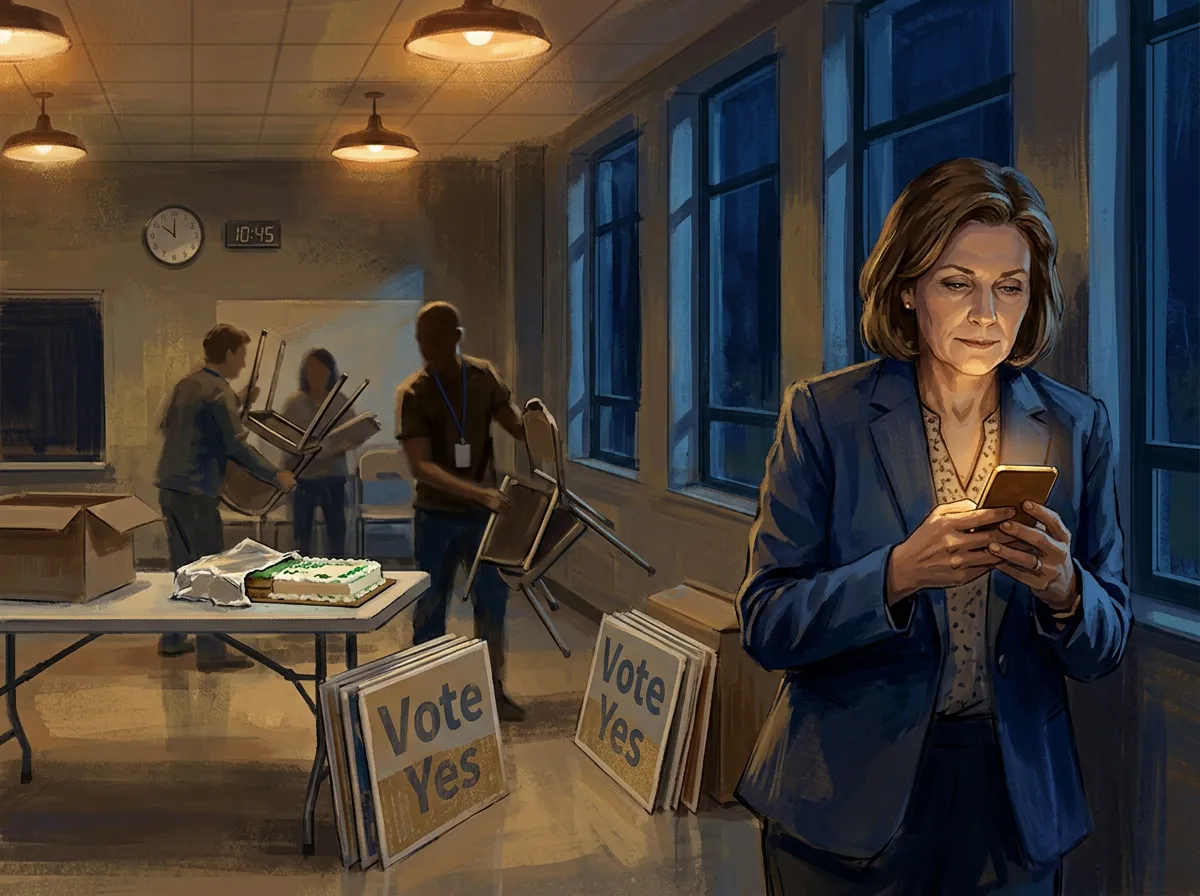
It’s 11:47 p.m. on election night. In the back of a school cafeteria, a superintendent refreshes the county results page for the hundredth time while volunteers stack folding chairs around her. Then the last precinct reports. Eighteen months of work comes down to a few hundred votes.
Whichever way it goes, many leaders get this next part wrong. They treat election night as the finish line. It isn’t. The way you talk to your community in the next 72 hours matters as much as anything you said during the campaign.
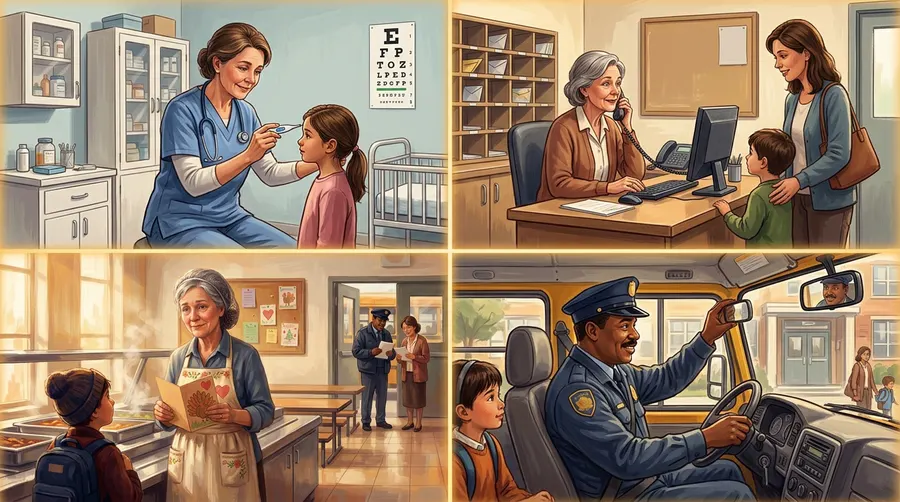
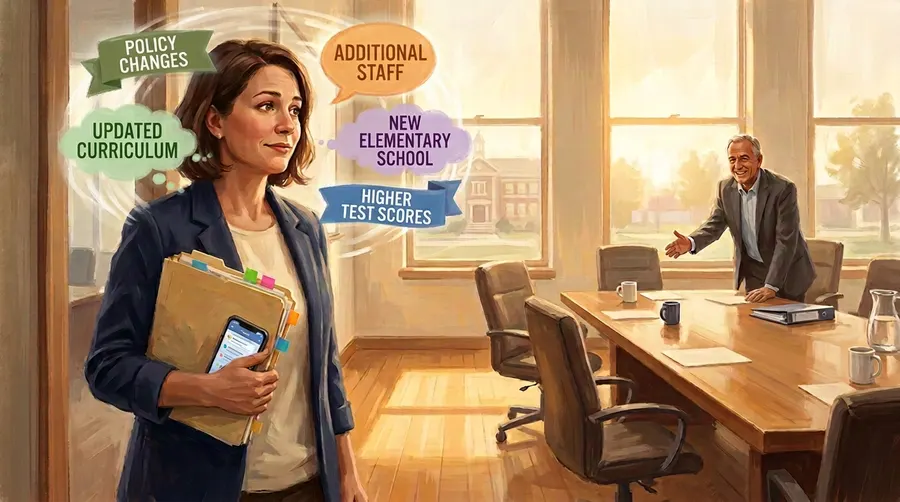
Start with the win, because it’s the easier trap to fall into. When a bond or levy passes, the instinct is to celebrate, and you should. But the voters who said yes are now watching to see whether you keep your word, and the ones who said no are watching even more closely. Your first message should be thanks, followed right away by the promises. Remind people what they approved: the roof at the middle school, the secure entrances, the HVAC system that has been held together with duct tape and prayer. Then tell them how they’ll be able to follow the progress. Districts that publish regular construction updates, hold oversight committee meetings in public, and send a simple “here’s what your dollars did this quarter” note build the credibility they’ll need the next time they go to the ballot. And in most places, there will be a next time.
Losing is harder, emotionally and strategically. After a defeat, there’s a temptation to explain the result away. Turnout was low. The opposition spread misinformation. People didn’t understand the measure. Some of that may even be true. But the moment it sounds like you’re blaming voters, you’ve lost them twice. The community made a decision, and your job is to respect it out loud.
The strongest post-defeat messages do three things. They thank voters for participating, including the ones who voted no. They acknowledge honestly that the needs haven’t gone away. Then they open the door with an invitation, something like: help us understand what you need to see from us. Listening sessions, short surveys, and coffee conversations with skeptics aren’t signs of weakness. They’re how failed measures turn into successful ones a year or two later.
One more thing, win or lose: your staff hears the news the same night everyone else does. Teachers who spent weekends knocking on doors deserve to hear from you directly, ideally before they read the results on social media. A short, personal note to employees the next morning goes a long way.
Election night ends. The relationship with your community doesn’t. The superintendent in that cafeteria will be back in front of those same voters soon, asking for their trust again. What happens the morning after largely decides whether they give it.