The school year is underway. Teachers are back, students are settling into their routines, and school leaders are already juggling more priorities than they probably care to count.
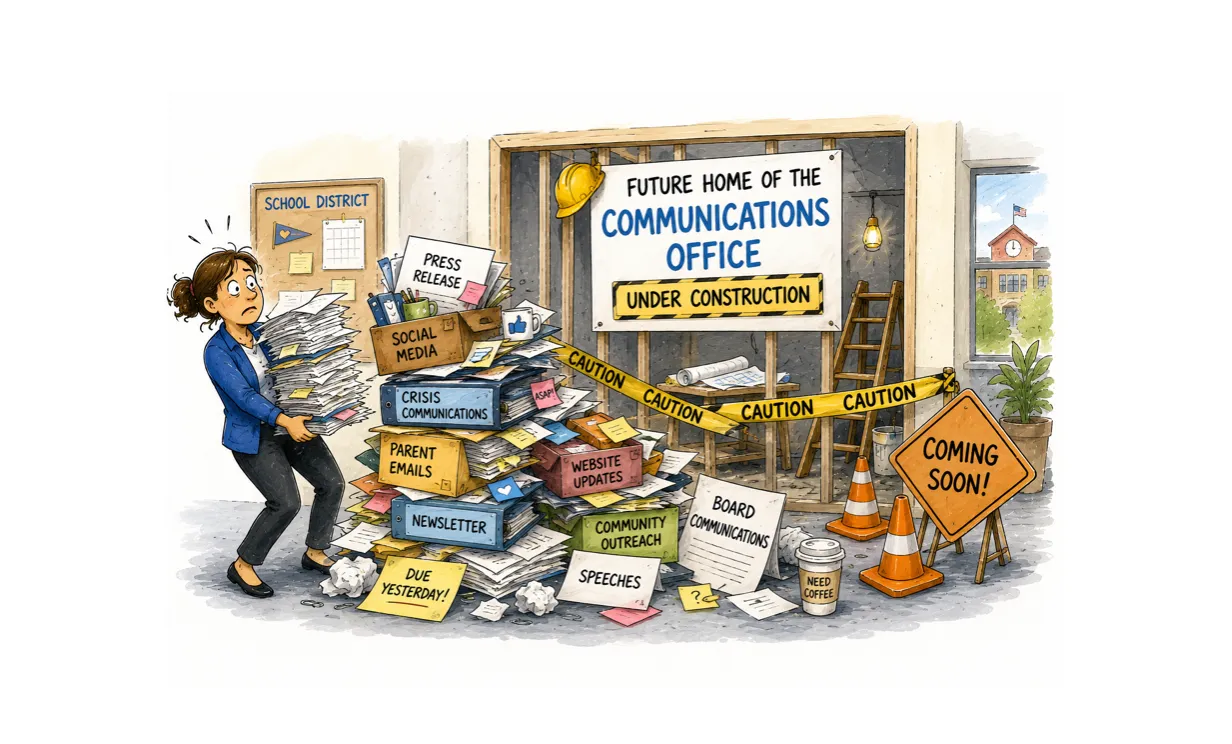
Communications is one of them. The reality is that in 2026, school districts need dedicated communications professionals. Someone needs to own the message, build relationships with the community and media, tell the district’s story and be ready when something goes wrong. Too often, however, districts don’t budget for dedicated communications until a crisis hits. And that’s when they discover just how much they were missing. If that’s your district, don’t wait for the crisis. There are several things you can do right now to improve your communications—and begin building the foundation for a real communications function. Here are five places to start.
1. Put someone in charge.
If communications is everybody’s responsibility, it can quickly become nobody’s responsibility. Designate someone to coordinate district communications, even if it’s not their full-time job. That person should know what’s going out, when it’s going out, who needs to approve it and what other audiences need to hear the same information. It’s not a substitute for a communications professional, but it’s an important starting point.
2. Create a communications calendar.
Take a look at the entire school year. What are the moments you know are coming? The first day of school. Back-to-school night. Testing. Homecoming. Budget season. Holidays. Graduation. Now add the things you want people to know about: student achievements, great teachers, innovative programs, community partnerships and the everyday things happening in your schools. Don’t make every communication about an announcement. But it’s important that you tell your story before someone else tells it for you.
3. Have a “second set of eyes.”
Before an important message goes out, have someone else read it. Ask three questions:
- Is it accurate?
- Is it clear?
- What questions will people have after reading it?
This last question is the one that often gets missed. If you’re announcing a new policy, anticipate the concerns. If you’re changing a schedule, explain what parents need to do. If you’re responding to an incident, tell people what you know, what you don’t know and what happens next. Good communication doesn’t just answer today’s question. It anticipates tomorrow’s.
4. Prepare for the bad day before it arrives.
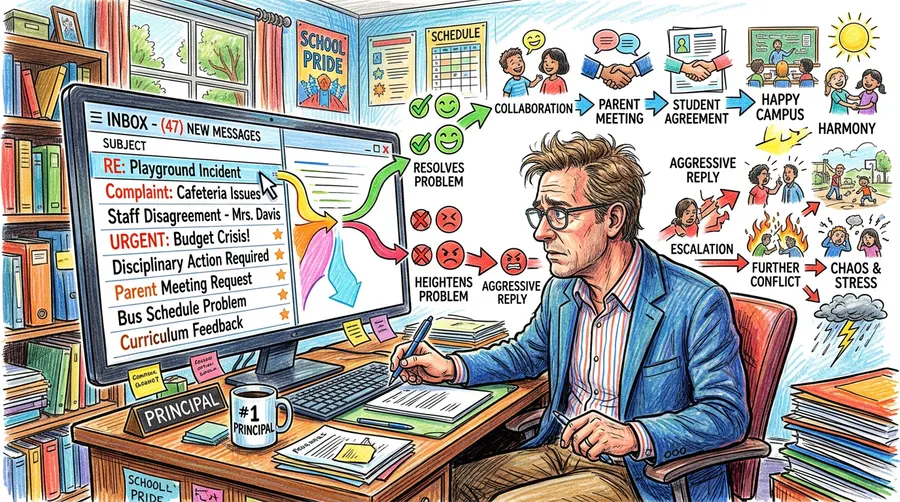
You don’t want to figure out who speaks to the media, who communicates with employees and who posts to social media while a crisis is unfolding. Create a basic crisis communications plan. Identify your team. Establish responsibilities. Develop templates. Think through the scenarios most likely to affect your district. You may never need the plan. But if you do, you’ll be glad you have it.
5. Start telling more positive stories.
Don’t make your district’s communication strategy a series of responses to problems. Tell people what’s happening in your classrooms. Introduce outstanding teachers. Celebrate students. Show parents what their tax dollars are supporting. Positive communication also builds something extremely valuable when a crisis does occur: trust.
And that brings us back to where we started. If your district doesn’t have a dedicated communications office, these five steps can help you begin building a stronger communications operation. But don’t try to reinvent the wheel. Remember, this is what we do. And if you’re ready to get your district’s communications effort off the ground, we’re here to help.