Picture this. It's the last week of October, and a principal gets a text from a board member with a screenshot attached. A candidate for state senate has posted photos from a visit to the school's robotics lab, captioned with a campaign slogan. The school's logo is clearly visible on a student's shirt in the background. The visit had been approved weeks ago as a "legislator tour," and nobody thought to ask what would happen to the photos. By lunch, the comments have turned into a debate over whether the school is picking sides.
Most election-season controversies start this way for schools. It's rarely a bold political statement. It's usually a small decision that nobody thought was political at all.
With the midterms on November 3, school leaders are working in one of the most charged environments in recent memory. And school board seats and ballot measures on funding and curriculum have put education at the center of the conversation. Your community is paying attention, and some people are looking for evidence that you're on the other team.
The answer isn't silence. It's neutrality you can explain.
Start by stating your standard out loud. A short note to staff saying the district doesn't endorse candidates or take sides in campaigns does a lot of quiet work, and so does a line in your next family update if it fits your community. When a complaint comes in later, you can point to a policy you shared in advance instead of defending a judgment call on the spot.
Next, take a hard look at your own tools. District email lists, websites, social channels, logos, and buildings are public resources, and most states put real limits on using them for campaigns. Staff are free to hold political opinions on their own time and their own accounts. But a teacher forwarding a candidate flyer from a school email address is a headline waiting to happen. Remind people where the line is before someone crosses it. When in doubt, a quick call to district counsel costs far less than a correction.
Candidate visits need their own conversation. Elected officials touring schools is healthy, and turning everyone away isn't the answer. Set the ground rules up front and put them in writing: equal access for opponents, no campaign materials on campus, and a clear understanding about photos of students.
If your district has a bond or levy on the ballot, the rule of thumb is simple: inform, don't advocate. Explain what the measure would fund, what it would cost, and what happens if it fails. Leave "vote yes" to the citizens' committee.
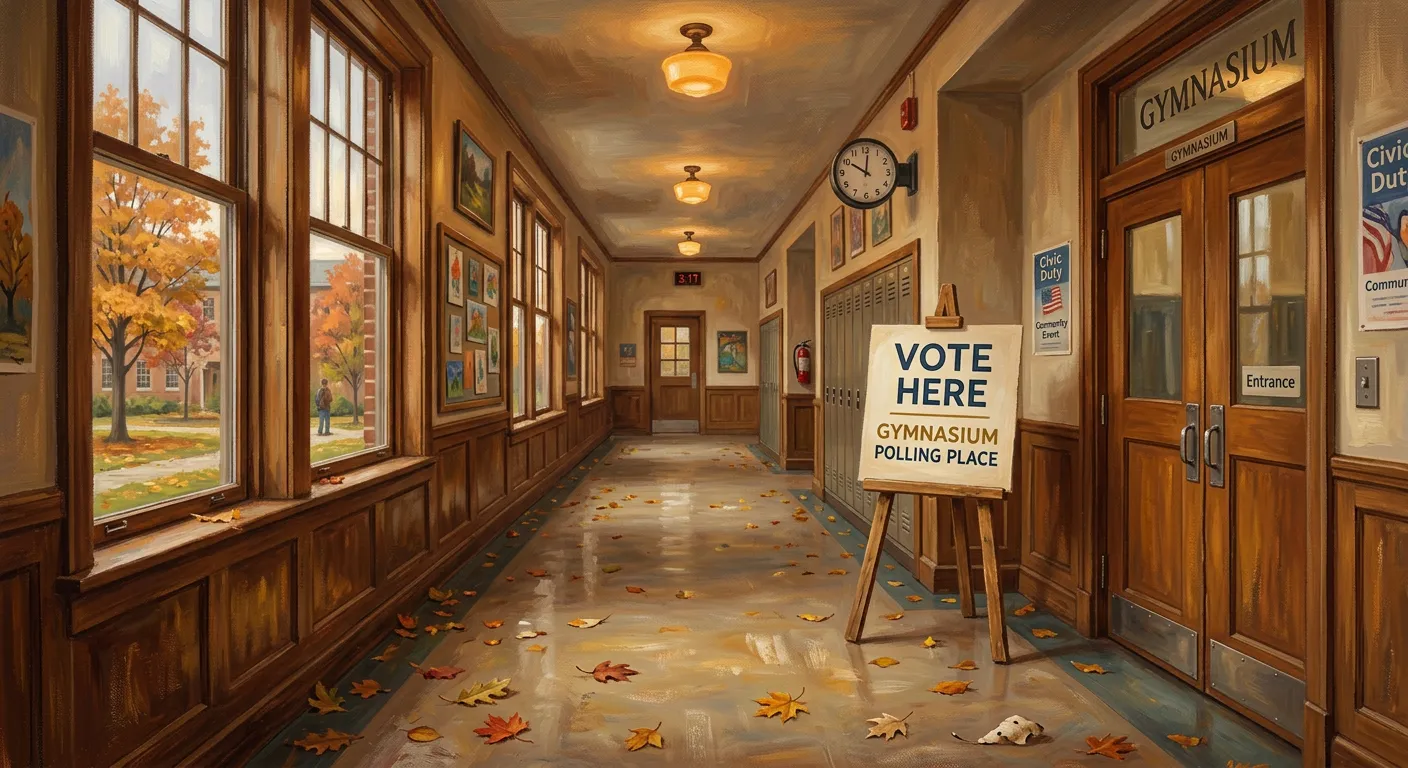
If your buildings serve as polling places, tell families early about parking, access, and safety so nobody is surprised on Election Day.
Finally, have a plan for November 4th. The day following the election, students may walk in carrying whatever they heard at the dinner table the night before. A brief message to staff about keeping classrooms respectful, and focused on civics rather than cheerleading, helps everyone start the day on steady footing.
Your community doesn't need you to go quiet during election season. It needs to trust that when you speak, you're speaking for every student.