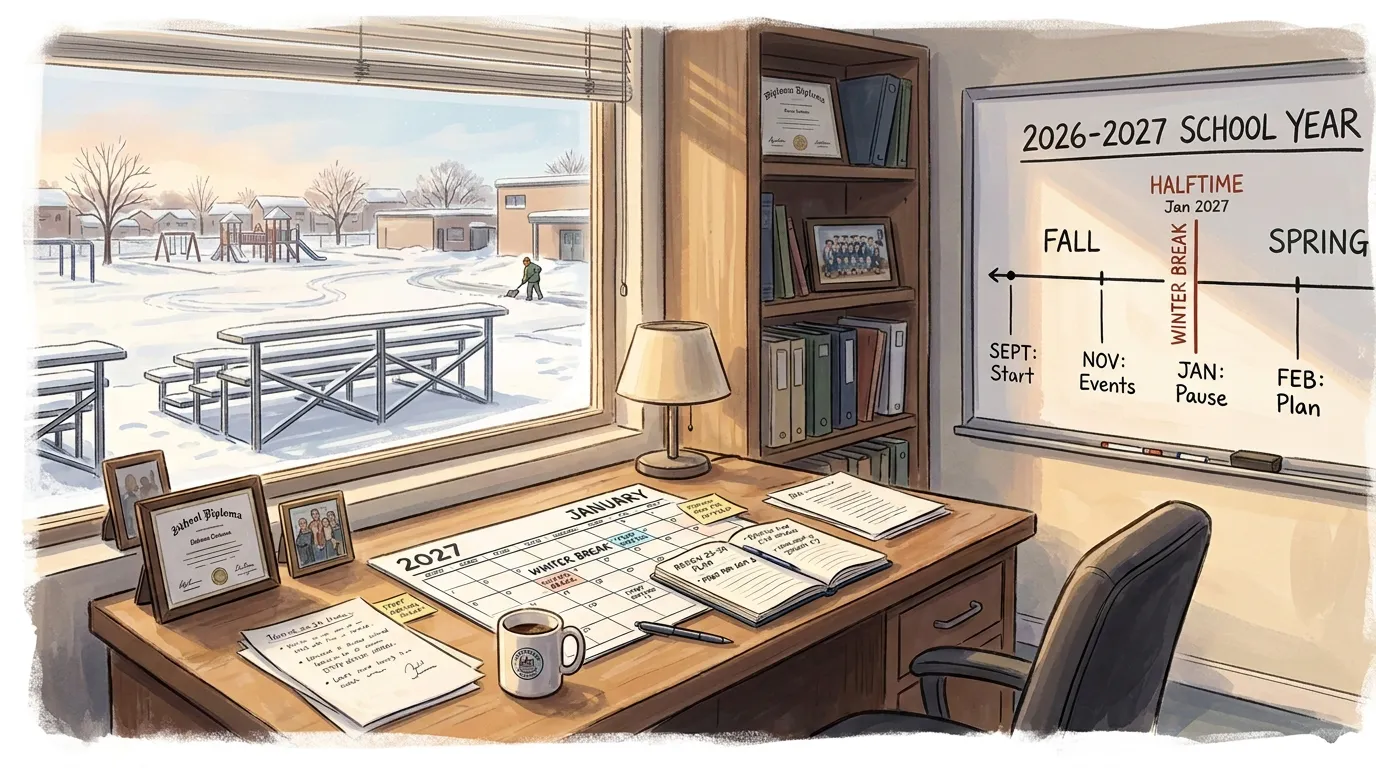
Good coaches don't wait for the final buzzer to make adjustments. They make them at halftime, when there's still a whole second half to play.
Winter break is your halftime. The first half of the year is mostly behind you, the busiest stretch of the spring hasn't started yet, and for a few quiet weeks there's room to think. That makes December one of the best times all year to step back and ask a simple question: is our communication actually working?
This doesn't have to be a formal audit or a consultant's report. For most districts, it's an hour with your cabinet and your communications lead, a cup of coffee and some honest answers.
Start with what people actually paid attention to. Most platforms will show you which emails got opened, which website pages got visits and which posts drew real engagement. Look at them. You may find that the carefully written monthly letter gets a fraction of the attention a quick, plain-language text gets. That's not a failure. It's information.
Then look at where confusion came from, because confusion leaves a trail. When the same question keeps landing at the front office, in board comment or in a principal's inbox, it usually means a message didn't land the way you thought it did. Ask your secretaries and building leaders what families kept calling about this fall. They know better than anyone.
It's also worth naming the moment that caught you off guard. Nearly every district had one this semester, whether it was a rumor that spread faster than the facts, a decision that drew more pushback than expected or a crisis you weren't quite ready for. The point isn't to relive it. It's to ask what you'd do differently, and whether your plan reflects that now.
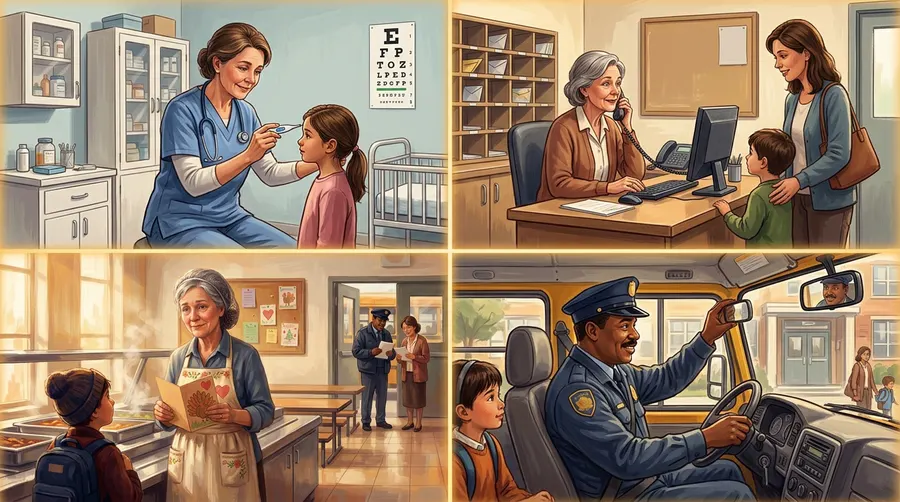
Next, think about who you're not hearing from. Families who don't open email, families who speak a language other than English and families who have simply tuned out don't show up in your engagement numbers, which is exactly why they're easy to miss. The same goes for your staff. If teachers and bus drivers are hearing district news from parents or social media before they hear it from you, that's worth fixing. Staff are often your most trusted messengers in the community.
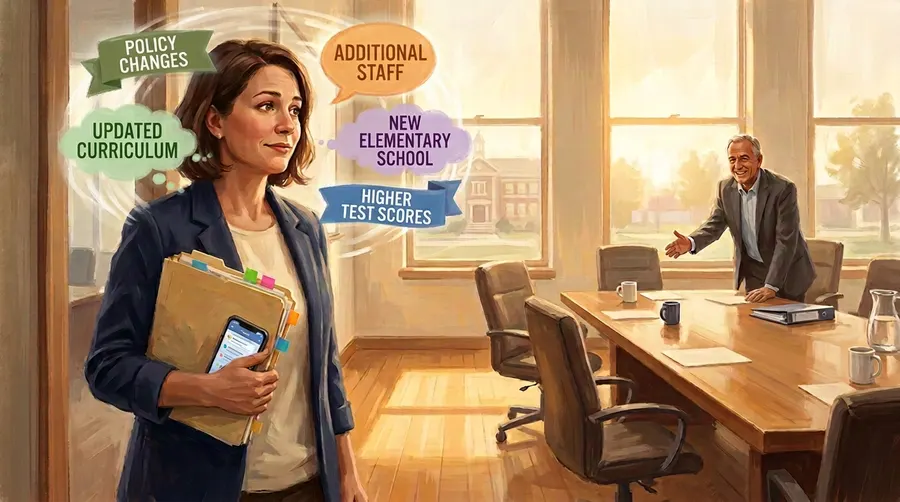
Then look ahead. Spring brings budget season, kindergarten registration, enrollment decisions, testing, and for some districts, hard conversations about staffing or buildings. Put those on a calendar now and decide which ones need a communications plan before they arrive rather than after.
Finally, resist the urge to fix everything. Pick two or three changes you can actually make in January and commit to them. Then tell people what you're changing. A short note saying "We heard you, and here's what we're doing differently" is one of the most powerful trust-builders a district has, because it shows the community that someone was listening.
The second half of the school year is coming either way. A little halftime planning means you'll be making the plays instead of reacting to them.